
Monday marks start of 105-day session of 2025 state legislature — what’s on our legislators’ agendas?
Salish Current asked district legislators to identify their legislative priorities in 300 words or less for publication at the start of the legislative session on Jan. 13.
40th Legislative District
Rep. Alex Ramel (D-Bellingham)
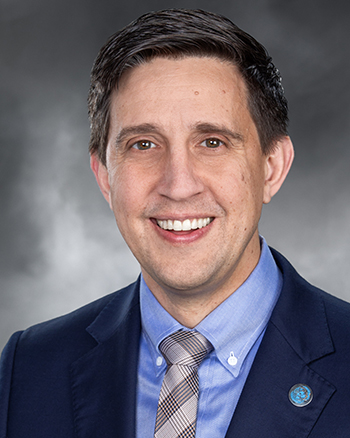
Our biggest challenge this coming year will be addressing our upside-down tax code. In Washington, folks with the least money pay the highest tax rates, while those with the most pay the least. That’s not fair and we should fix it. This imbalance is leading to structural instability in our revenue (sales tax is highly dependent on the economy), and budget gaps like the one we face this year are a barrier to implementing any priorities including ferry service, school funding, early childhood education and behavioral health.
Fortunately, voters’ overwhelming rejection (by nearly two to one!) of the initiatives funded by an antitax multimillionaire show us a clear path forward. A fairer tax code that includes asking the wealthiest people and companies to invest in Washington’s future will allow us to meet our most urgent needs. You will see me focusing on correcting our upside-down tax code as a key step to investing in Washington’s future.
I will continue to be a strong advocate for stabilizing rents and capping allowable annual rent increases. It’s reasonable for a landlord to increase rent by a few percent each year, to keep up with inflation. But we’ve seen rent increases of 20% or more become common. When rents increase by hundreds of dollars a month, people lose their homes and frequently end up leaving town or sleeping in their car. Rent stabilization is the top housing priority for me this year.
I’m also working on policies to facilitate the build-out of the electricity transmission that we know we will need to improve grid reliability and affordability as well as a bill to ensure that when wind and solar farms and battery storage systems are built in a community, that community sees a real economic benefit.
Sen. Liz Lovelett (D-Anacortes)
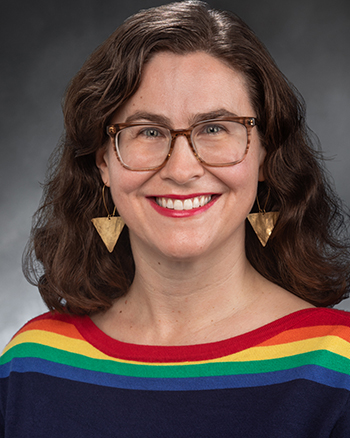
People in the 40th Legislative District are facing many challenges, and I will be working hard this session to address the top concerns I have heard: the unaffordability of housing and basic needs, school funding shortfalls, and continuing to protect the health of our natural environment.
More affordable housing: Although we have made historic progress to legalize and build new affordable units, we know that supply is still lagging far behind demand. I will build on our efforts to increase housing supply, while also working to protect folks in our communities with policies like rent stabilization and programs to prevent foreclosures — especially for seniors.
Ample school funding: I’ve met with many parents, educators and administrators who are concerned about cuts to programs and even possible school closures. As a working-class mom of two kids attending public schools, I’m working with my colleagues to bring forward options that ask the wealthiest among us to pay their fair share. With progressive revenue, we can send more funding to support increased costs for maintenance, supplies, transportation and special education.
Healthy environment: People in our state proudly stood up for climate action when they voted to protect our state’s Climate Commitment Act last year. As the coordinator for the CCA budget, I’ll continue to push for investments that protect our air, water and land, ensuring a bright future for generations to come.
There are numerous other priorities I will focus on this year, including ongoing efforts to improve the ferry service that the San Juans rely on and reforming our recycling system. I’m also honored to have been elected to serve as deputy majority leader in the Senate, giving me the ability to center our incredible region at the leadership table and advance policies to improve people’s lives across Washington.
Rep. Debra Lekanoff (D-Bow) did not respond as of press time.
42nd Legislative District
Rep. Joe Timmons (D-Bellingham)
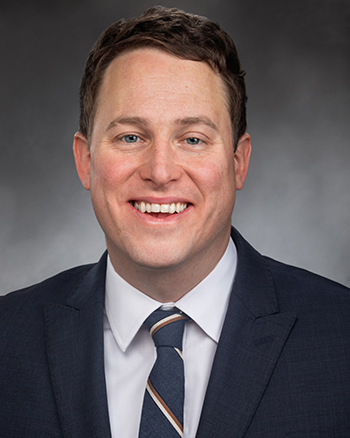
It is an honor to serve the 42nd Legislative District. This year, I am once again serving on the Transportation and Postsecondary Education and Workforce committees. I am also joining the Housing Committee where I plan to support policies that increase our housing supply and add protections for renters. Here are some of the other themes for 2025 that I will be focusing on:
Education: It’s critical to support the whole child across their entire educational career from pre-K and K–12 through their postsecondary education. This means we must increase access to early learning and affordable childcare options and support our kids’ mental health and emotional development. That’s why I’m planning to reintroduce my bill (HB 2239) to encourage school districts to provide instruction that promotes social, emotional, behavioral and mental health and wellness skills. This is an opportunity to help our kids help themselves by ensuring their education includes learning on how to self-regulate and how to seek help when they can’t.
I’m also planning to introduce legislation that will strengthen the early childhood court program and give student employees at our regional schools a chance to have a say in their working conditions by granting them the right to collectively bargain.
Transportation: This year, I will continue working on preserving our transportation infrastructure, improving safety on our roadways and strengthening our public transportation systems. This includes my bill (HB 2191) to expand the number of voting members on the bodies that govern our regional public transit systems (e.g. Whatcom Transportation Authority). This will give transit boards the opportunity to appoint two voting members who rely on and use public transportation, putting some power in the hands of those who are most directly impacted by the decisions being made about these critical services.
Rep. Alicia Rule (D-Blaine)
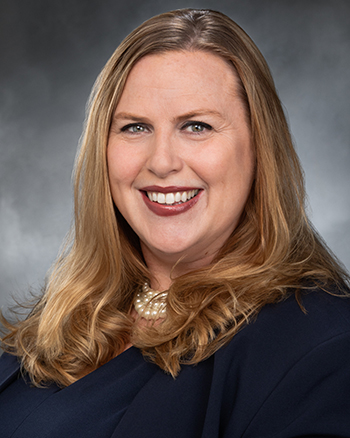
On Jan. 13, lawmakers will reconvene in Olympia for the 2025 legislative session. As your state representative for the 42nd legislative district, my focus remains on the issues that matter most to our community.
For families and children, I will prioritize expanding paid caregiving options for parents of children with intellectual and developmental disabilities, ensuring they can care for their loved ones while maintaining financial security. I will also introduce a tax exemption on diapers, an idea brought by a community member, to ease the financial burden on young families.
When it comes to public education, we must prioritize full funding. Each and every student deserves access to a world-class education. To address the growing need to improve literacy and meet children’s social and emotional learning needs, I will continue to advocate for the data-backed approach of outdoor education in the 2025–26 capital budget.
Reproductive health is under threat in many states, but Washington must stand firm. As vice chair of the House Healthcare and Wellness Committee, I will prioritize policies for accessible care. My goals include simplifying the health care marketplace, expanding access to reproductive and fertility services, and making it easier to age in place for our neighbors.
Public safety demands a balanced approach. By prioritizing behavioral health care, we can reduce recidivism and keep all people in our community safe. A meaningful and vital partner in this work is law enforcement. I will be prioritizing policies to streamline recruitment, expand effective enforcement practices, and strengthen public trust.
At the end of the day, solving the challenges facing our community will require pragmatic solutions shaped by diverse voices. Together, we can build a future grounded in fairness, opportunity, and security for all.
Sen. Sharon Shewmake (D-Bellingham)
Better funding our schools is my top priority for the 2025 session. Every child in Washington State deserves a top-notch education. That’s good for our kids, our economy, public safety and future taxpayers. It isn’t just the right thing to do — it’s required under our state constitution.
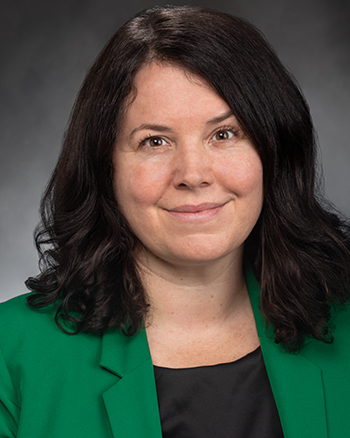
Schools are struggling. While visiting Mount Baker High School last spring, a parent was delivering paper because the school district had run out. Other districts are cutting staff and still drawing down their reserves. If we don’t act, future cuts will be more dramatic. I know the public supports education, but fixing this won’t be easy. That’s why we have already started thoughtful, if difficult, conversations about how to make our tax system fairer and our school funding robust. It’s our paramount duty.
I’m also honored to announce I have been named chair of the Senate Environment, Energy and Technology Committee. My top priority is making good on our vision of green jobs, a clean economy, clean air and clean water. We have passed the major bills, such as the Climate Commitment Act and the Clean Energy Transformation Act, we have federal support, and we have the tools to move toward a greener economy. The challenge will be cutting through red tape and adjusting our laws to ensure we can build and site green energy projects along with transmission lines to deliver them.
I won’t stop working on housing. Washington remains one of the most expensive states for renters and homebuyers. No single solution will fix our housing crisis, but the right combination of solutions can. Alongside the work we have already done on allowing “missing middle” and accessory dwelling units, we need to innovate by removing barriers for modular housing and tiny homes on wheels. We need housing as diverse as our communities.
— Compiled by Salish Current editorial staff