
An active social media presence keeps audiences visiting exhibits and helps preserve local history.
According to Elizabeth Moore, the Whatcom Museum’s digital marketer, social media is crucial for small museums to maintain local relevance.
“With a strong digital face and platform, people can get that little peek of what’s inside and feel more comfortable coming in,” she said.
Moore said that most visitors visit a museum’s website before deciding to visit in-person, and a 2022 study published in ScienceDirect found that museum foot traffic significantly increased with a museum’s participation in social media.
Without an active media presence, exhibits go unseen, audiences shrink and the mission to preserve local history risks falling behind. “If we had unlimited funding or at least more funding, then we could do more,” said Jo Wolfe, director of the Skagit Historical Museum.
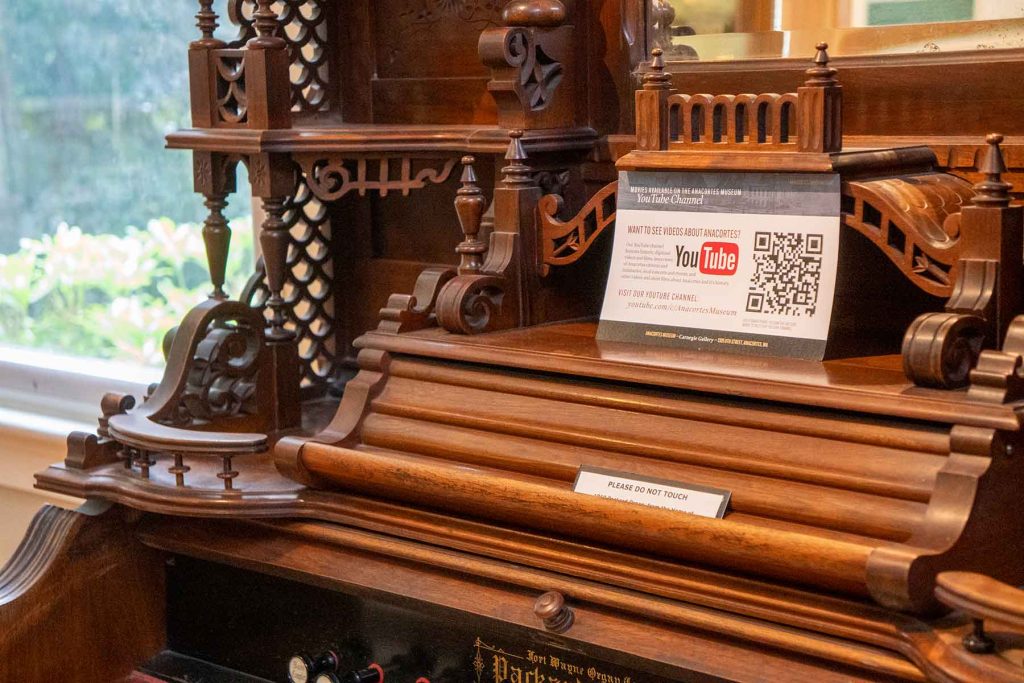
The Anacortes Museum was an early adopter of digital tools and online learning to bring its historical exhibits and photo collections virtual. In 2018, the museum launched a YouTube channel, which features museum-produced films and archival footage related to exhibits and historical artifacts. One popular short documentary tells the story of Bobo the gorilla, arguably Anacortes’ most famous resident from the 1950s.
Staff have also created interactive story maps, including a digital version of a historical walking tour around downtown. Self-guided tours are available through the museum’s website allowing remote viewers to explore exhibits and archival collections at their leisure.
“It’s really broad and deep,” said Bret Lunsford, museum director. “It allows us to be incredibly responsive in the virtual information realm that people spend a lot of time in now.”
The Anacortes Museum uses SoundCloud to share music originating from performers or participants from within the region. It also has audio of the oral histories of exhibits, along with narrations from artists discussing murals around the downtown area.
“I think that relevance and engagement go hand in hand,” said Lunsford. “If we just continue doing our work and we try to bridge that work to where people are, then we’ll get some of their attention and they’ll benefit from that.”
The Lynden Heritage Museum has faced greater obstacles in connecting with audiences online.
“We don’t have a lot of staff,” said Amanda May, the director. “But what we have done is we’ve taken steps to at least enhance the things that we do have access to with the time that we have available.” The museum updates its website for upcoming events and exhibits and maintains its digital presence on Facebook and Instagram.
“It takes time, and it usually takes a dedicated person to maintain that,” said May, who will soon leave the director position but continue to help as an adviser. “Because of our various other needs it just makes those things challenging even though we want to do them.”
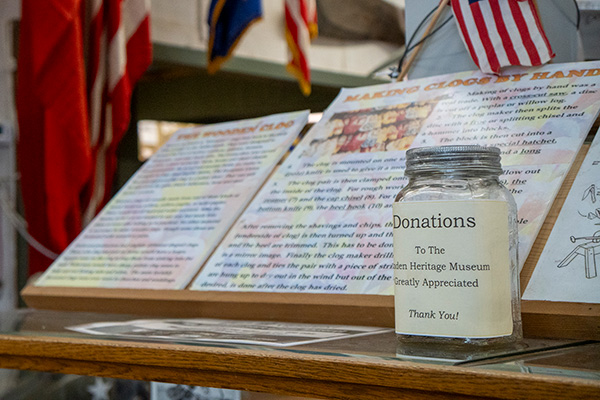
May explained that the Lynden Heritage Museum must strategize digital outreach efforts with limited resources. It must consider long-term sustainability and cost, while striving to provide public access to digital content, which larger museums and nonprofits with bigger budgets can more easily support.
“I think that every establishment should have a presence online because that’s one of the main ways that everybody gets their news,” Moore said. “We’re in a digital age, and if you don’t have that presence, I feel like you will get left behind.”
Since taking over digital marketing in 2022, Moore has worked to enhance the Whatcom Museum’s online engagement. She also detailed the challenge of balancing ambition with budget.
“We already know what we want to put out there, but we just can’t afford to put it out there in the way that we want or as many places as we want,” said Moore.
Paid social media advertisements, through sites like Facebook, are costly but useful for increasing community engagement online. Still, the Whatcom Museum maintains traditional outreach efforts through local magazines and newspapers, ensuring they reach an offline audience as well.
The Whatcom Museum focuses its efforts primarily on Instagram and Facebook, having pulled back from X and only recently beginning to explore LinkedIn. Moore added that she has wanted to start publishing content on TikTok, but hasn’t had the time.
“There’s this notion that people think they don’t belong in the museum,” Moore said. “With a strong digital face and platform, it feels more accessible and people can feel more comfortable coming in.”
At the Sumas Historical Museum, which lost much of its collection in the floods of 2021, social media and the community itself become has become much of the de facto exhibit space. With no paid staff, the museum has limited open hours and time for social media outreach.
Regular posts of historic pictures on Facebook often spark lively reminiscences online and placards on buildings around town tell the town’s story. The placards are part of a self-guided tour, begun with a Whatcom Tourist Promotion grant.
The Skagit County Historical Museum in La Conner faces a different challenge: preserving the history of a region that spans all the way from the North Cascades to the Salish Sea.
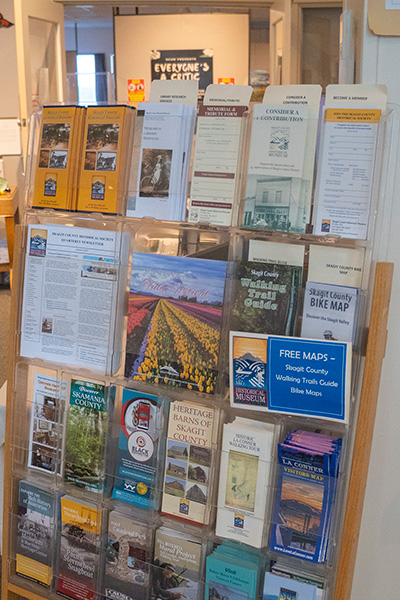
SkagitInsideNewslettetr.jpg Display rack of brochures, walking tour guides, and pamphlets detailing the museum’s membership program and exhibits. (Ronan Lynch / Salish Current)
“There’s a lot of diversity in geography, in ethnicities, in cultures, in just the people in our county,” said Jo Wolfe, the director. “And so our responsibility is to represent all of those communities and tell their stories.”
The Skagit County Historical Museum plans to expand its presence online by putting its collection of photos, documents and artifacts onto a virtual database, allowing people to view them remotely. In the meantime photos are posted regularly on Facebook, along with requests to the community for more information about them.
For the museum’s digital outreach efforts, Wolfe said they primarily focus on Facebook, along with its website and a periodic email newsletter that reaches 3,000 people.
The museum has a visitor services assistant who keeps the museum’s social media platforms updated. Wolfe said they are used to promote activities, programs and historical stories.
While Wolfe sees digital outreach efforts as a vital component of the museum’s future, she said that she doesn’t want it to replace the in-person experience.
“I would hate to see museums sacrifice quality exhibits and in-person storytelling for being digital,” said Wolfe. “To have that direct experience in the museum is very valuable.”
— By Ronan Lynch
Also read in Salish Current:
• “Local television station broadcast news, views, community,” Oct. 2, 2025
• “Artists from 51 countries are behind exhibit in La Conner,” Jan. 15, 2025
• “Barrier-breaking art showcased at Western Gallery,” Nov. 6, 2023
• “Keeper of archival treasures has ‘the coolest job’,” Oct. 16, 2023
• “Flood recovery continues in Sumas, seven months on,” June 24, 2022